Reliable Water Heater Installation in Saint Michael
Skilled Water Heater Setup Solutions to Maintain Your Home's Comfort Throughout the Year
Installing a water heater is an essential component of preserving a cozy household atmosphere. Expert assistance guarantees adherence to safety regulations while improving performance. Experienced professionals evaluate specific requirements to choose the optimal system. This careful approach can prevent future complications and optimize energy use. Recognizing the value of professional setup brings up concerns regarding choosing appropriate services and different water heater types offered. What factors ought property owners evaluate to reach a knowledgeable decision?
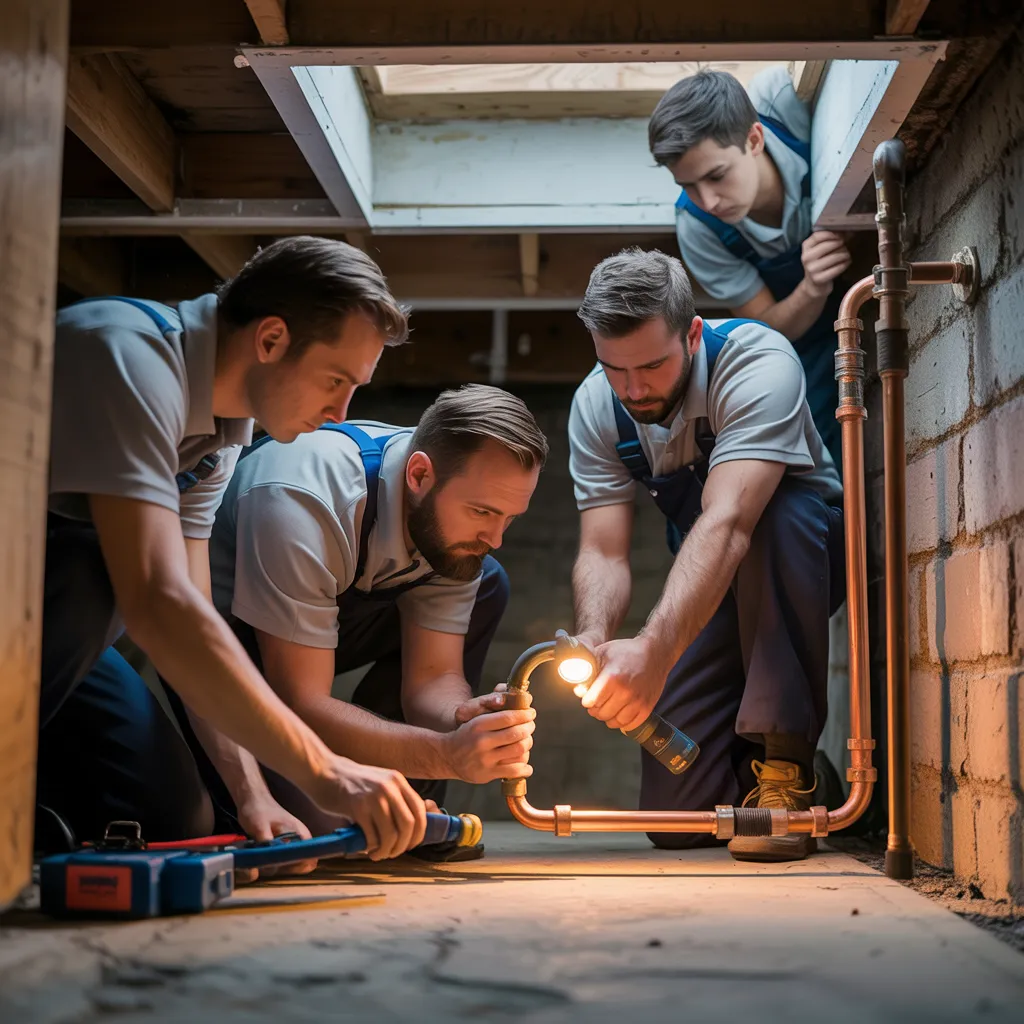
Why Professional Water Heater Installation Matters for Your Home
As property owners contemplate enhancing their water heating units, the significance of professional installation should not be underestimated. Correct installation is vital to ensure safety, efficiency, and longevity of the system. A qualified technician holds the essential training and experience to comply with local codes and regulations, minimizing the risk of errors that could lead to hazards such as leaks or electrical issues. Moreover, professional installers can correctly assess the particular needs of a home, guaranteeing the selected unit is appropriately sized and configured for optimal performance. This not only boosts the unit's functionality but can also avoid future costly repairs. Moreover, expert installation often provides warranties that protect the homeowner's investment, providing peace of mind. In contrast, DIY installations may create complications that could jeopardize the system's effectiveness and safety, making professional installation an essential consideration for any homeowner looking to upgrade their water heating system.
Advantages of Professional Water Heater Replacement
Expert water heater installation provides significant value, especially in terms of safety and energy efficiency. Qualified technicians make certain that all safety standards are meticulously implemented, minimizing the risk of potential issues. Additionally, their expertise of optimal installation practices results in improved energy efficiency, eventually reducing utility costs for homeowners.
Enhanced Safety Standards
In what ways can improved safety measures impact the installation of water heaters? Professional installation services for water heaters focus on safety through following local codes, regulations, and industry Saint Michael top rated Water Purification Systems standards. Professionals are equipped to address potential hazards, such as gas leaks or electrical issues, seeing to it that installations are carried out correctly and securely. By implementing proper techniques and using high-quality materials, they reduce the risk of accidents or malfunctions. Additionally, professional installers perform thorough inspections preceding and following installation, identifying potential safety concerns that amateurs may not notice. This level of diligence doesn't just improve the safety of the household while offering peace of mind for homeowners, knowing that their water heater is installed securely and functioning as intended.
Maximum Energy Conservation
While several homeowners may underestimate the importance of professional installation, optimal energy efficiency is one of the key benefits that can substantially improve the performance of a water heater. When installed by qualified technicians, water heaters are adjusted to work at their optimal efficiency levels, limiting energy waste and lowering utility bills. Trained technicians ensure that all components, including pipes and fittings, are appropriately sized and fitted, avoiding heat loss and enhancing energy use. Additionally, they can counsel on the most appropriate models based on the household's needs, ensuring that the water heater operates properly without overworking. In summary, professional installation not only increases the lifespan of the unit but also contributes to a more green and cost-effective household environment.
Typical Water Heater Models and Their Positive Aspects
When considering water heater choices, homeowners often find a variety of types, each providing unique advantages that address different needs. Traditional tank water heaters are popular for their capacity to store hot water, making them perfect for larger households. They are typically less expensive upfront but may incur higher energy costs over time.
By comparison, tankless water heaters provide hot water on demand, providing energy savings and the convenience of never running out of hot water. They are space-saving and ideal for smaller spaces.
Heat pump systems leverage electricity to relocate heat, offering significant energy efficiency in temperate climates. Solar water heaters capture sunlight, reducing utility bills and environmental impact but may demand a higher upfront investment.
Every variety delivers distinctive advantages, allowing homeowners to select a system that fits their individual usage patterns and energy efficiency targets.
When Should You Replace Your Water Heater?
Which warning signs suggest a water heater needs replacing? Homeowners must stay alert for various critical warnings. Initially, age serves as an important consideration; most water heaters last between 8 to 12 years. If equipment approaches or passes this duration, replacement should be assessed. Second, any noticeable leaks or pooling water around the base signals potential failure. Moreover, unstable water temperatures or decreased hot water output could suggest internal complications. Corroded or tinted water serves as another warning sign, indicating rust within the tank. Also, odd noises, such as popping or thundering sounds, commonly signal sediment collection or mechanical issues. Ultimately, higher energy charges might reflect inefficiency, demanding careful review. Recognizing these signs can help homeowners avoid unexpected failures and ensure a reliable hot water supply.
Picking the Best Water Heater Installation Service
How can homeowners make certain they choose the best water heater installation service? Initially, they should look into local companies by reviewing online reviews and reviewing ratings on platforms like the Better Business Bureau. This helps determine the quality of service provided. Moreover, homeowners should obtain quotes from multiple services to evaluate pricing and learn what is included. It's essential to validate that the designated installer is licensed, insured, and experienced, as this ensures compliance with safety regulations and industry standards. Homeowners can also benefit from asking for referrals from friends or family, as direct experiences can provide valuable insights. Finally, a reputable service provider will offer warranties for both labor and equipment, demonstrating confidence in their work. By completing these steps, homeowners can make informed decisions and choose a water heater installation service that satisfies their particular needs and expectations.
What You Can Expect Throughout the Installation Procedure
Homeowners can expect a well-organized and efficient process during water heater installation once they have chosen a reputable service. Initially, the installation team will come on schedule, prepared with the essential tools and equipment. They will complete a full assessment of the existing plumbing and electrical systems to ensure compatibility with the new water heater.
Upon finishing the inspection, the professionals will carefully detach the old unit, carefully following all safety protocols. Subsequently, they will precisely place and mount the new water heater, linking it with the water supply and power source. Throughout the process, the team will maintain clear communication, handling any questions the homeowner may have.
When the installation is finished, they will perform a range of tests to ensure the unit functions safely and efficiently. Finally, the team will tidy up the workspace, leaving the area neat and ready for the homeowner's use.
Recommendations for Maintaining Your Water Heater for Maximum Performance
Keeping up with a water heater is crucial for ensuring its efficiency and durability. Periodic flushing helps removing sediment accumulation, while setting the temperature control can optimize energy consumption. These straightforward practices can substantially enhance the performance of a water heater.
Normal Flushing Process
Routine water heater flushing is vital for ensuring its best operation and durability. Eventually, mineral buildup and sediment may collect at the base of the water heater, leading to decreased efficiency and potential damage. To perform a flush, one should start by shutting off the gas or power supply to the heater. Then, the cold water inlet is shut off, and a hose is secured to the drain valve, routing water to a proper drain location. Opening the drain valve enables the water containing sediment to flow out. It is beneficial to occasionally inspect the flushing process, verifying all sediment is cleared. Undertaking this service procedure at least annually can substantially boost the water heater's operational life and effectiveness.
Temperature Control Modifications
Adjusting the temperature setting of a water heater is crucial for both energy efficiency and comfort. Most experts advise setting the thermostat between 120°F and 140°F. This range provides adequate hot water while decreasing energy costs and diminishing the risk of scalding. Regular inspections of the temperature can help preserve optimal performance; if the water is consistently too hot or too cold, adjustments may be necessary. Moreover, insulation around the tank and pipes can improve efficiency, keeping water warm longer. Homeowners should also be conscious that seasonal changes may demand temperature adjustments to ensure consistent comfort throughout the year. Applying these simple adjustments can substantially prolong the life of the water heater and optimize overall household energy use.
Your Questions Answered
How Long Will a Water Heater Installation Usually Take?
A standard water heater installation normally requires between two to four hours, contingent upon factors such as the type of heater, existing plumbing connections, and any additional modifications necessary for correct installation and setup.
Am I Able to Install a Water Heater by Myself?
One can install a water heater independently for those with sufficient plumbing and electrical understanding. That said, local codes and safety standards should be observed, making professional installation a more reliable and typically safer solution.
Which Permits Are Needed for Water Heater Installation Work?
Commonly, permits required for water heater installation include a plumbing permit and at times electrical permits, based on local regulations. Homeowners should contact their local building authority to ensure compliance with all applicable codes and requirements.
How Can I Determine the Right Size Water Heater for My Home?
To determine the right size water heater, one must consider family size, maximum water demand, and individual appliance requirements. Figuring out the required gallons per minute will aid in selecting an proper capacity for effective hot water delivery.
What Types of Warranties Are Offered for Water Heater Installation?
Several warranties are provided for installed water heaters, generally ranging from 6 to 12 years. These warranties could cover tank leaks, parts, and labor, subject to the manufacturer and exact model opted for by the homeowner.